
Introduction
Football, often referred to as soccer in some parts of the world, is a sport that has captured the hearts of millions. Whether you’re a passionate fan or just curious about the game, you might be wondering, “How many players in football?” In this comprehensive guide, we’ll not only answer that question but also delve into the history of the sport, explore different positions on the field, and provide insights based on both expertise and personal experiences.
The Number of Players in Football
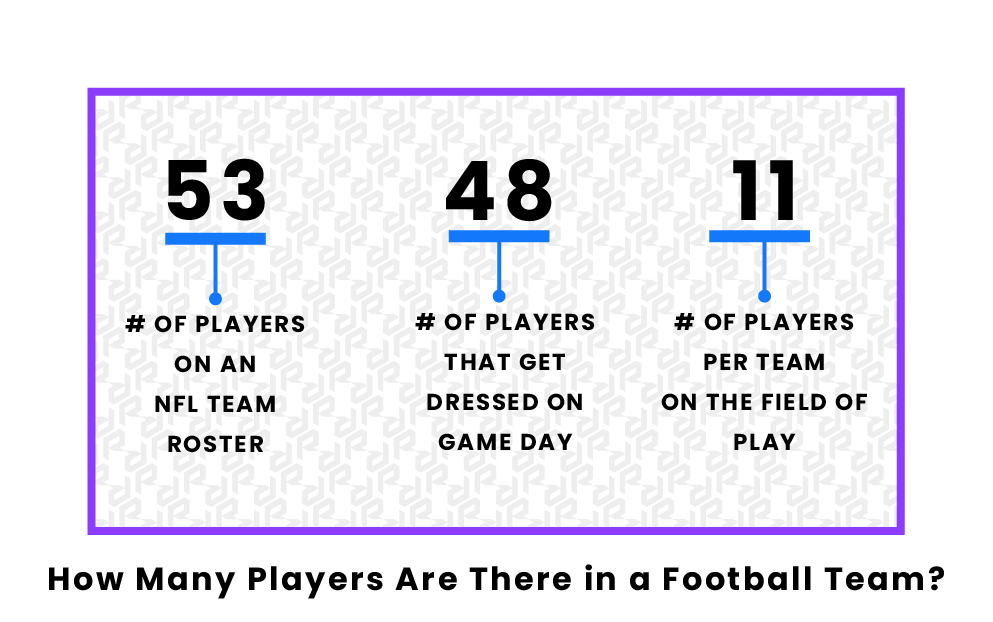
To answer the burning question, a standard football team consists of 11 players on the field at any given time. This includes one goalkeeper and ten outfield players. The outfield players are further divided into defenders, midfielders, and forwards, each with distinct roles and responsibilities.
Goalkeeper
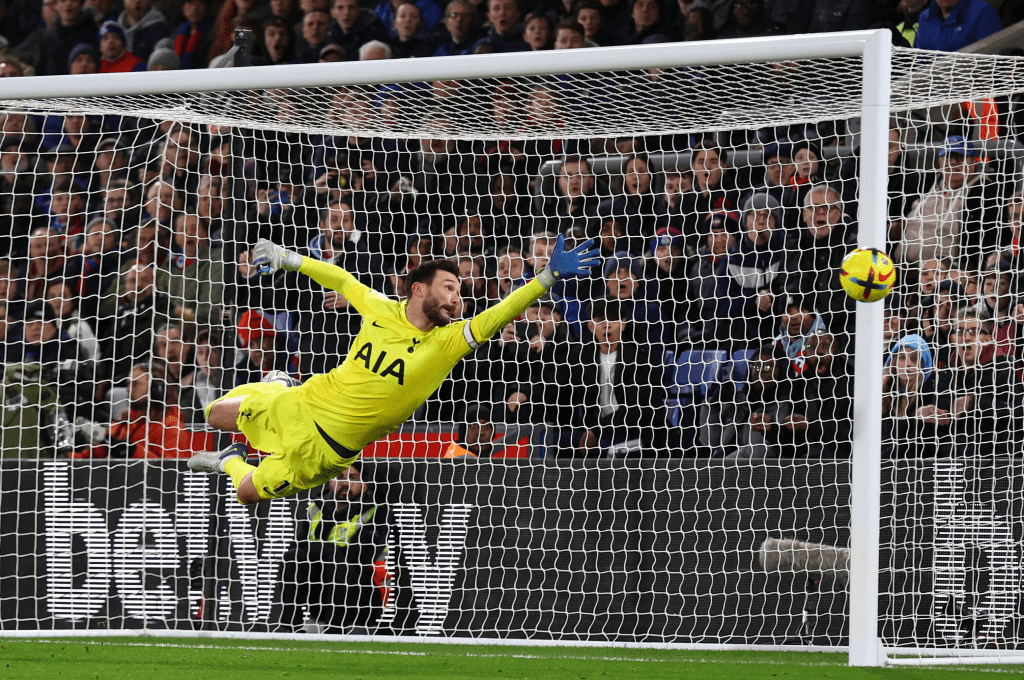
The goalkeeper is the last line of defense. They are the only player allowed to use their hands and arms to stop the ball. Goalkeepers play a pivotal role in preventing the opposing team from scoring.
Defenders

Defenders are responsible for protecting their team’s goal. They must mark opposing forwards, intercept passes, and clear the ball out of danger. Typically, a team has four defenders.
Midfielders

Midfielders are the engines of the team. They control the game by distributing passes, creating goal-scoring opportunities, and assisting both in defense and attack. A standard team fields three midfielders.
Forwards
Forwards are the goal-getters. They are tasked with scoring goals and putting pressure on the opposing defense. Usually, there are three forwards in a team.
The Evolution of Football
Football’s origins can be traced back centuries, with various forms of the game played in different cultures. Modern football, as we know it, was codified in the 19th century in England. Since then, it has grown into a global phenomenon, with countless leagues, tournaments, and fans worldwide.
Football Positions and Strategies
Understanding the roles of different players is essential to grasp the intricacies of football. Teams often employ various strategies and formations to gain an advantage over their opponents. Some popular formations include 4-4-2, 4-3-3, and 3-5-2, each dictating the positioning and responsibilities of players on the field.
Also read: Who is the God of Football?, Who Is the King of Football?
Frequently Asked Questions (FAQs)
Q: Can a team play with fewer than 11 players? A: No, according to the rules of football, a team must have a minimum of 11 players on the field.
Q: Are there substitutes in football? A: Yes, teams can make substitutions during a match to replace injured or fatigued players.
Q: How long is a standard football match? A: A standard football match consists of two halves, each lasting 45 minutes, with a 15-minute halftime break.
Q: Are there variations of football with different player numbers? A: Yes, there are variations like futsal, which is played with teams of five players, but the standard football format has 11 players.
Q: What’s the role of the captain in football? A: The captain is typically the leader on the field, responsible for making decisions, communicating with the referee, and motivating the team.
Q: Can goalkeepers score goals? A: Yes, goalkeepers can score goals, but it’s a rare occurrence. They often join attacks during corner kicks or set pieces.
Conclusion
In conclusion, football is a beautiful game that involves 11 players on each team, each with a specific role to play. From the goalkeeper to the forwards, each position contributes to the team’s success. Understanding the game’s history, positions, and strategies enhances the appreciation of this global phenomenon. So, the next time you watch a football match, you’ll have a deeper understanding of how many players are on the field and what each one contributes to the game.
Also check: What Is Offside in Football?, Who is the Best Football Player in the world?














 Livefootballworld